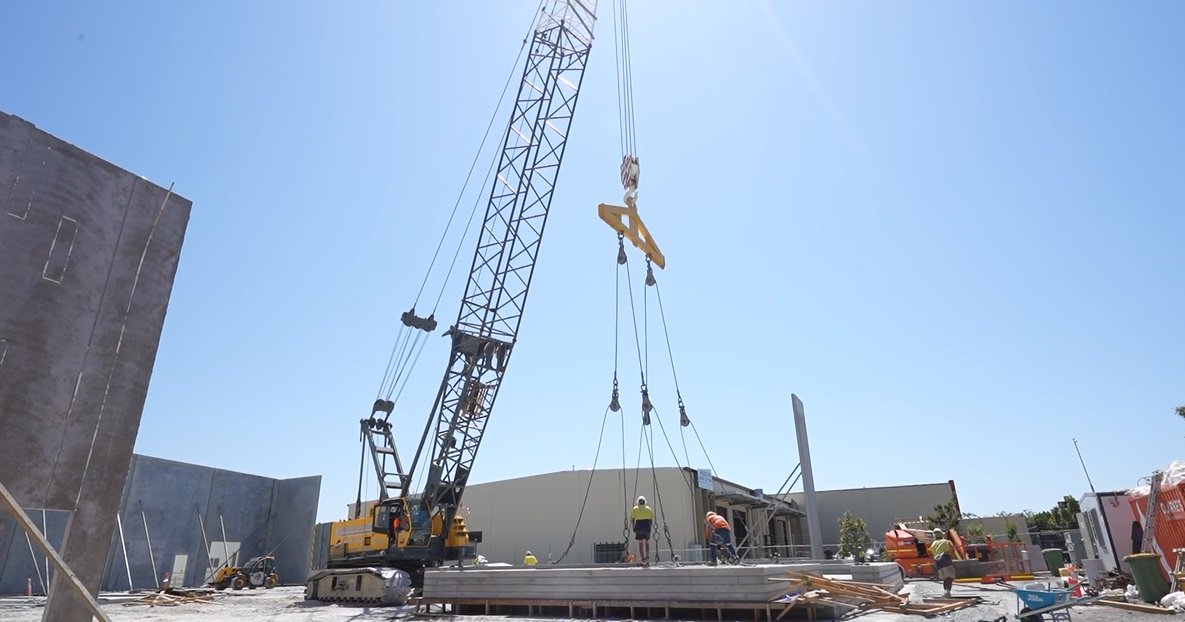
The construction industry is experiencing unprecedented growth, driven by urbanization, infrastructure projects, and the global demand for housing. However, this growth presents a unique challenge: securing top talent in a highly competitive market. As the industry expands, the need for skilled workers is greater than ever, making construction recruitment a critical focus for companies in 2024.
1. The Impact of Industry Growth on Recruitment
The booming construction industry has led to an increased demand for skilled labor across all sectors. From engineers and architects to project managers and skilled tradespeople, the need for qualified professionals is outpacing supply. This demand is further intensified by the aging workforce, with many experienced workers nearing retirement age.
To address this shortage, construction companies must adopt proactive recruitment strategies. This includes not only attracting new talent but also retaining existing employees by offering competitive salaries, benefits, and career development opportunities.
2. Leveraging Technology in Recruitment
Technology is transforming the construction industry, and recruitment is no exception. The adoption of digital tools and platforms is streamlining the hiring process, making it easier to identify and engage with potential candidates. For example, construction companies are increasingly using AI-driven recruitment platforms to screen resumes, match candidates to job openings, and even conduct initial interviews.
In addition to digital recruitment tools, technology is also changing the skills required in the construction industry. As construction projects become more complex and technologically advanced, there is a growing demand for workers with expertise in areas such as Building Information Modeling (BIM), drone operation, and 3D printing. Recruiters must focus on finding candidates who possess these specialized skills.
3. Promoting Construction as a Viable Career Path
One of the challenges facing the construction industry is the perception of construction jobs as being physically demanding with limited career progression. To attract top talent, the industry needs to change this narrative by highlighting the diverse career opportunities available in construction.
Companies can promote construction as a viable and rewarding career path by showcasing the variety of roles within the industry, from design and engineering to project management and sustainability. Additionally, emphasizing the potential for career growth and advancement can help attract candidates who are looking for long-term opportunities.
4. Fostering a Positive Work Environment
A positive work environment is crucial for attracting and retaining top talent in the construction industry. This includes creating a culture of safety, providing opportunities for professional development, and fostering a sense of teamwork and collaboration.
In 2024, construction companies must prioritize the wellbeing of their employees by implementing robust safety protocols, offering ongoing training and education, and promoting a healthy work-life balance. By doing so, they can create a workplace where employees feel valued and motivated to contribute to the success of the company.
Conclusion
As the construction industry continues to grow, securing top talent will be one of the most significant challenges for companies in 2024. By leveraging technology, promoting the industry as a viable career path, and fostering a positive work environment, construction companies can attract and retain the skilled workers needed to build the future. Adapting to these trends will be key to thriving in the competitive construction recruitment landscape.